August 27, 2026
Managing modern commercial facilities, industrial facilities, and large-scale plumbing infrastructure requires meticulous oversight of internal fluids and chemical additives. Modern commercial buildings depend on sophisticated water treatment setups, sanitation networks, and boiler systems to maintain clean water streams and proper operational balances. Within these complex environments, managing fluid chemistry manually presents significant vulnerabilities, including human oversight errors, inconsistent testing schedules, and delayed responses to systemic shifts. Implementing an automated chemical monitoring system allows facility operators to track internal chemistry continuously, preventing dangerous imbalances before they compromise operational safety or surrounding infrastructure. By replacing periodic manual testing with continuous automated observation, facility managers gain precise control over internal fluid compositions, protecting equipment integrity while reducing exposure to hazardous elements across all facility departments.
Regulatory frameworks surrounding environmental safety, workplace health, and industrial discharge have become increasingly stringent over recent decades. Municipal health departments and environmental protection agencies enforce strict standards regarding chemical storage, fluid treatment, and wastewater quality. Non-compliance can result in severe operational disruptions, facility shutdowns, and mandatory remediation programs. Adopting an advanced chemical monitoring system provides commercial enterprises with the diagnostic capabilities needed to meet or exceed these complex regulatory mandates continuously. Beyond regulatory adherence, continuous oversight protects building occupants, technician crews, and surrounding natural ecosystems from exposure to toxic compounds, excessive corrosion, or harmful bacterial growth. Understanding how continuous monitoring impacts safety, compliance, and long-term infrastructure integrity helps property managers make informed decisions regarding their facility operations.
Enhancing Operational Safety Through Continuous Diagnostic Oversight
Manual testing protocols inherent in traditional fluid management strategies leave substantial gaps between inspection intervals. During these unmonitored periods, chemical concentrations can fluctuate dramatically due to changes in fluid volume, temperature shifts, or unexpected contamination events. Excessively high concentrations of treatment compounds can erode distribution lines, release toxic fumes into facility air spaces, or compromise structural integrity. Conversely, insufficient chemical dosing allows harmful biological agents, such as dangerous waterborne bacteria, to proliferate within cooling towers and potable water storage tanks. Utilizing a chemical monitoring system eliminates these blind spots by providing constant real-time data on key chemical parameters including potential hydrogen levels, conductivity, oxidation-reduction potential, and dissolved solid concentrations.
Continuous diagnostic oversight allows facility technicians to detect subtle trend changes before critical thresholds are breached. Automated sensors send instant alerts to facility management systems or mobile devices whenever fluid metrics stray from predefined safety ranges. This immediate notification framework enables maintenance staff to isolate affected sections, adjust dosing pumps, or clear obstructions prior to hazardous conditions developing. By automating hazard detection, facility personnel avoid working near concentrated chemical reservoirs during volatile conditions, significantly reducing the likelihood of accidental spills, chemical burns, or inhalation hazards within maintenance areas.
Automating Regulatory Compliance and Data Documentation Protocols
Maintaining compliance with municipal, state, and federal health standards demands extensive record-keeping and verifiable proof of proper fluid treatment. Manual logging methods are notoriously susceptible to transcription errors, missing data points, and lost paperwork, which can complicate official audits. A modern chemical monitoring system automatically records and stores high-resolution operational data at regular intervals, generating detailed digital records that satisfy stringent regulatory reporting requirements. According to Mondor Intelligence, industry revenue for remote tank monitoring technology is forecasted to surge from $2.73 billion in 2025 and $3.21 billion in 2026 up to $9.16 billion by 2031, highlighting the industrial sector's accelerating shift toward automated digital tracking and real-time oversight technology.
Automated documentation simplifies compliance audits by providing verifiable proof of continuous oversight. Inspectors can review historical trends, verify rapid response interventions, and confirm that discharge fluids consistently meet environmental safety benchmarks. Furthermore, automated compliance logging helps facility operators demonstrate active due diligence, proving that all necessary safety protocols were followed continuously. This transparent data stream streamlines regulatory reporting while reinforcing organizational commitment to public safety and environmental responsibility across all operational levels.
Preventing Infrastructure Degradation and Equipment Corrosion
Unbalanced chemical levels inside piping networks, boiler loops, and drainage lines accelerate mechanical wear and structural degradation over time. Highly acidic or basic fluids cause rapid corrosion of metallic pipes, leading to wall thinning, pinhole leaks, and major structural failures. Similarly, improper mineral balances cause scale formation along heat exchanger surfaces and interior pipe walls, restricting flow capacity and forcing pumps to work harder. Integrating a chemical monitoring system into core plumbing infrastructure ensures that fluid chemistry remains within neutral, non-destructive ranges, preserving piping materials and mechanical components.
Preventing corrosion and scale accumulation directly extends the operational life of major building systems. Replacing main supply lines, industrial water heaters, or extensive drainage networks requires invasive construction that halts normal business operations. By maintaining steady chemical equilibrium, facility managers avoid premature structural deterioration, ensuring smooth fluid transport throughout the entire property. Preserving existing plumbing infrastructure reduces waste, supports continuous operations, and keeps mechanical systems functioning at optimal technical efficiency continuously.
Mitigating Environmental Hazards and Hazardous Discharge Risks
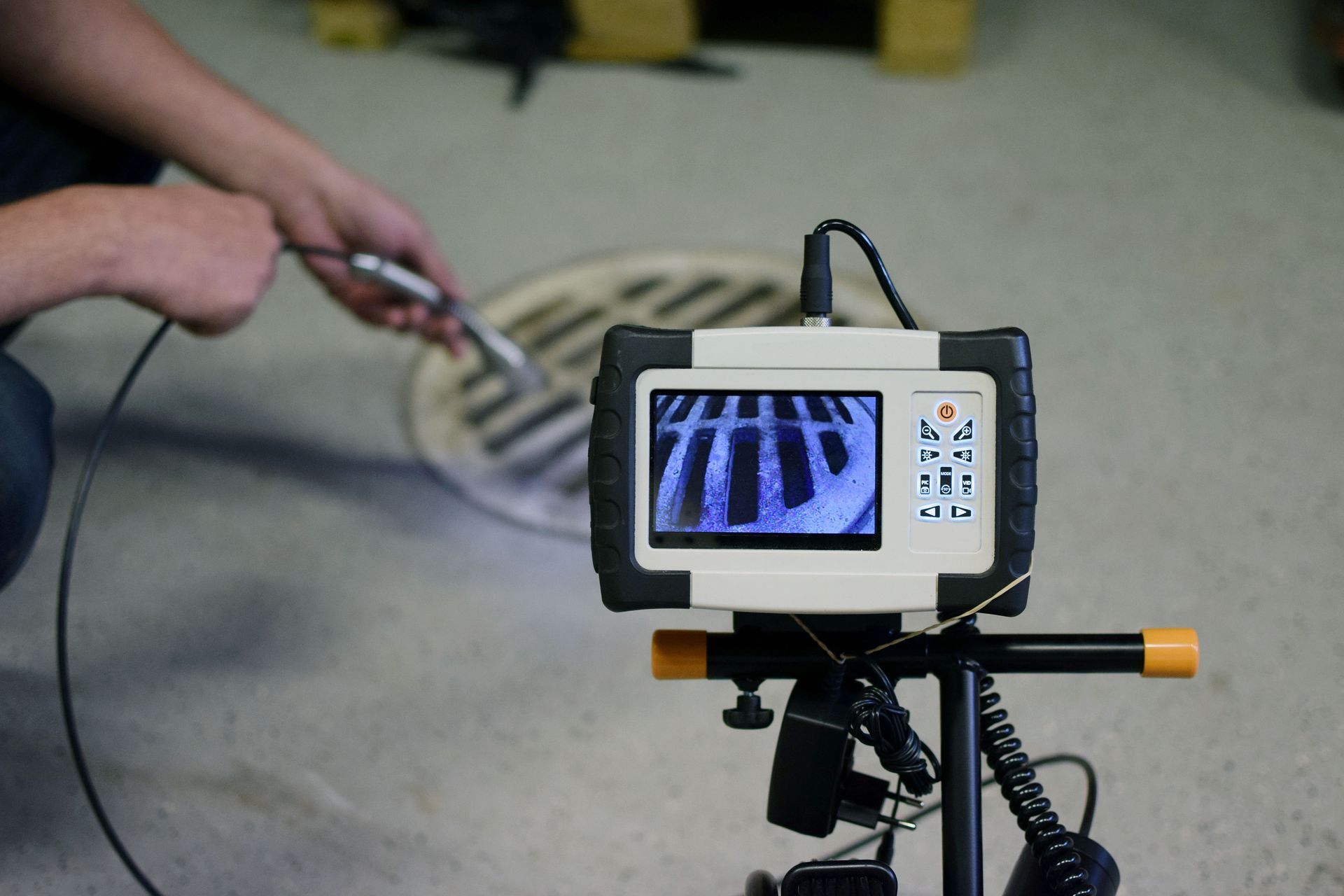
Industrial and commercial facilities generate wastewater that must meet strict environmental purity standards before entering municipal sewer systems or nearby natural waterways. Discharging untreated or improperly neutralised chemical effluent can cause severe environmental damage, harming aquatic life, disrupting municipal wastewater treatment operations, and contaminating local soil. Deploying a chemical monitoring system along discharge channels ensures that outgoing wastewater is continuously evaluated for harmful pollutants and chemical imbalances before release.
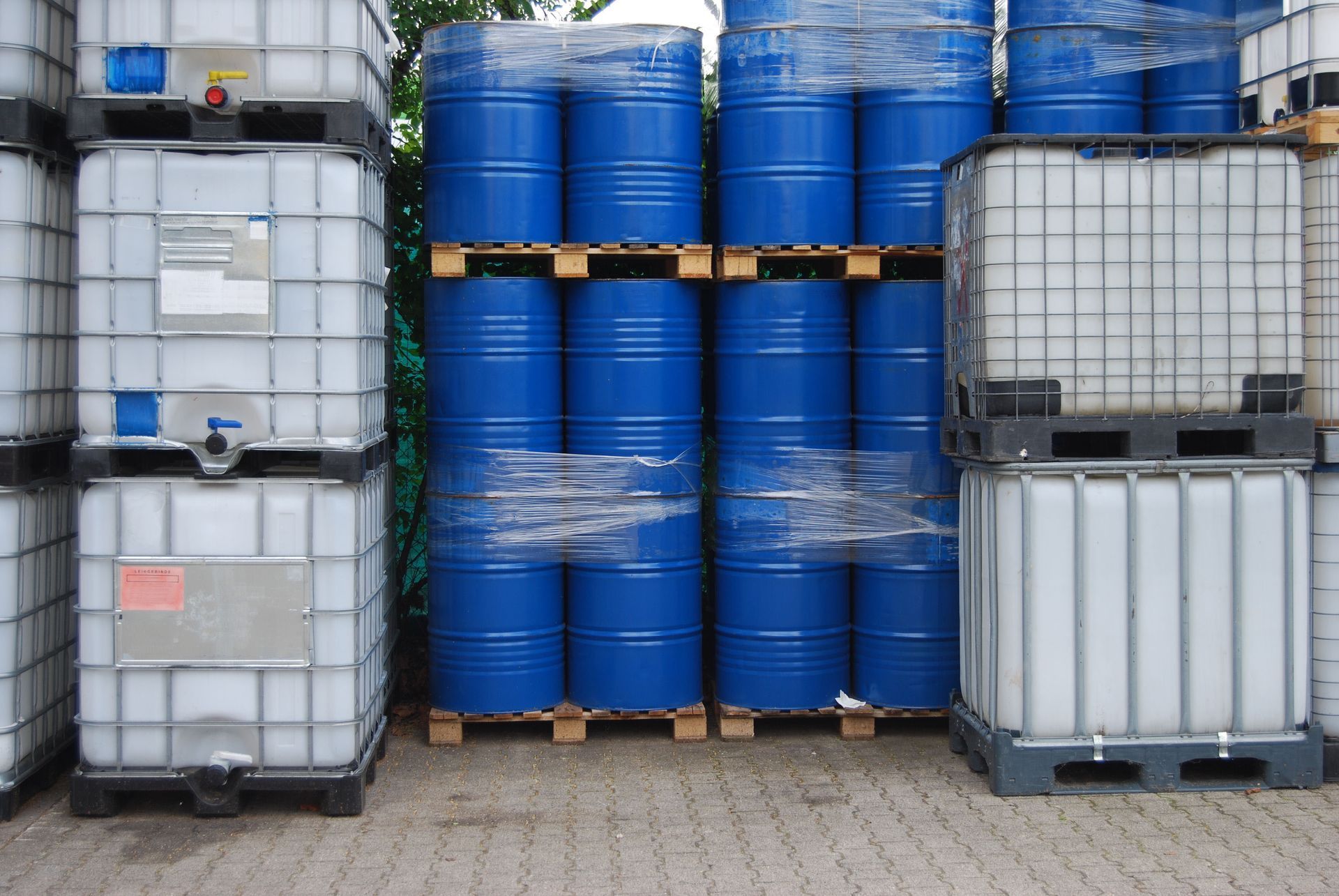
When discharge monitoring tools detect abnormal chemical concentrations, automated safety valves can divert non-compliant wastewater to containment tanks for neutralizing treatment before final release. This closed-loop mechanism safeguards regional water networks against accidental contamination events caused by system surges or equipment failures. By maintaining strict control over discharge effluent quality, facilities demonstrate environmental stewardship and protect local water supplies from toxic contamination risks.
Optimizing Chemical Dosing and Resource Utilization Efficiency
Manual chemical dosing often relies on estimates or fixed schedules, which can lead to either under-treating or over-treating facility water systems. Over-dosing wastes treatment products, increases chemical handling hazards, and accelerates system wear, while under-dosing leads to biological fouling and corrosion. A state-of-the-art chemical monitoring system communicates directly with automated dosing pumps, delivering precise volumes of treatment agents based on real-time sensor measurements. This precision ensures that fluid systems receive exact chemical amounts required to maintain optimal operational equilibrium.
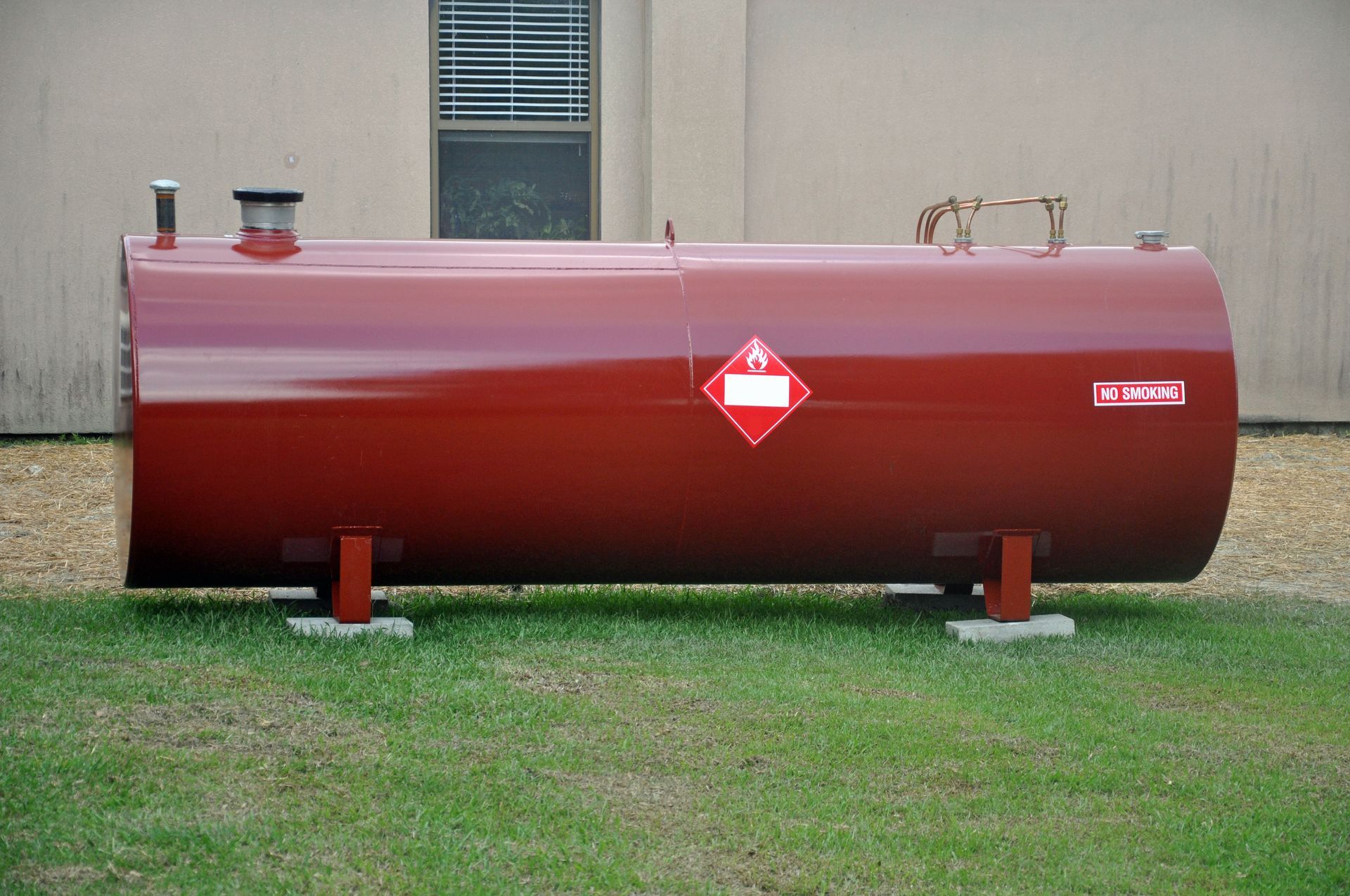
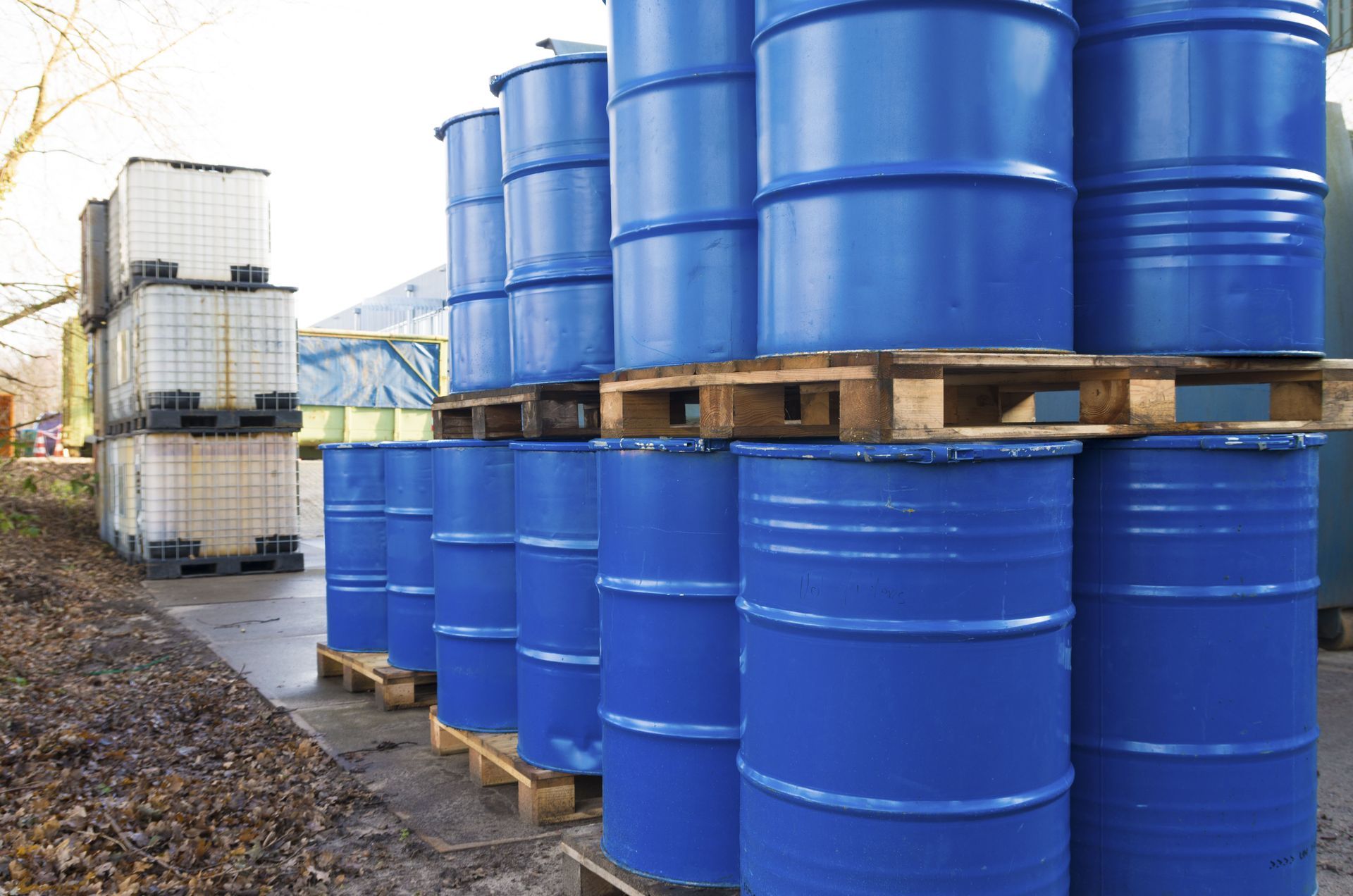
Precise dosing management minimizes the volume of raw chemicals stored on site, reducing storage footprints and handling hazards for maintenance staff. Automated adjustments adapt instantly to changing facility demands, such as variable water flow volume or seasonal temperature changes, maintaining consistent water quality without manual intervention. This resource optimization preserves chemical supplies, minimizes physical handling requirements, and ensures steady, reliable performance across all connected mechanical networks.
Maintaining safe, compliant, and efficient commercial facilities requires constant vigilance over complex fluid chemistry and internal infrastructure. From preventing dangerous bacterial growth in cooling towers to eliminating hazardous discharge into municipal sewers, continuous automated oversight provides unmatched control over facility safety. Implementing automated monitoring technology transforms reactive maintenance into proactive system protection, safeguarding workers, preserving infrastructure integrity, and ensuring continuous compliance with environmental mandates. Prioritizing automated fluid oversight protects physical assets and building occupants while establishing a modern foundation for sustainable, compliant operations.
If you are ready for enhanced operational safety and reliable system compliance for your chemical monitoring system, contact us at Walsh & Son Plumbing and Sewer today. We will help you assess your current piping infrastructure and implement comprehensive fluid oversight solutions tailored to your facility's unique operational needs.